
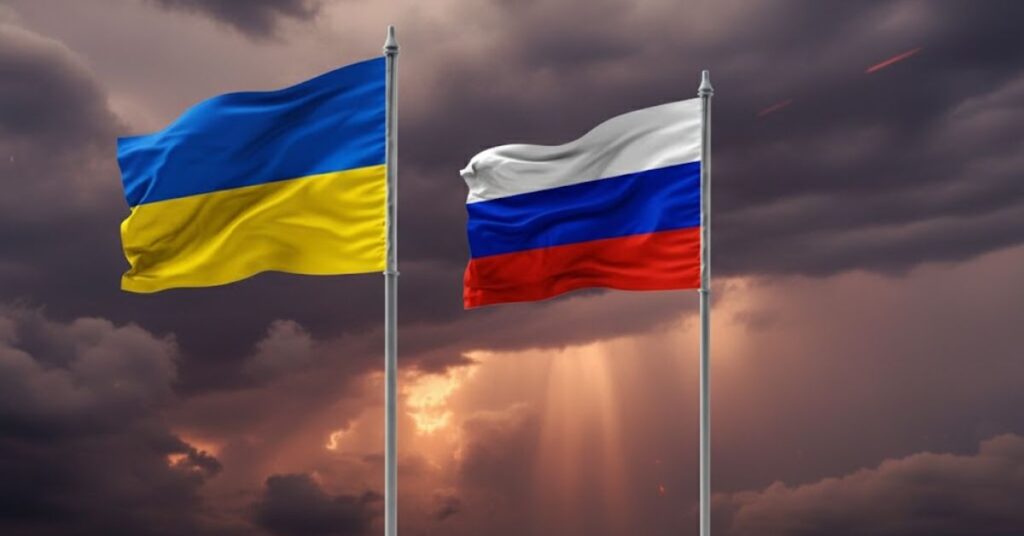
After nearly two years of bitter warfare and global tension, Russia signals readiness for peace talks with Ukraine in Istanbul, sparking cautious optimism and international debate. This announcement raises the question: Is there a real chance for peace or is it another attempt at strategic maneuvering? In a conflict defined by distrust, geopolitical games, and mounting human suffering, such news feels like both a window of hope and a potential political ploy.
| Key Updates | What It Means for Peace |
|---|---|
| Russia signals readiness for talks | A possible shift in Putin’s strategy amidst increasing global isolation and economic pressure |
| Turkey offers Istanbul as neutral ground | Reinforces Turkey’s growing role as mediator, keeping its ties intact with both Russia and Ukraine |
| Ukraine’s response remains cautious | President Zelensky demands clear terms focused on sovereignty over all Ukrainian territories |
The Istanbul Proposal: Hope or Illusion?
Russi’s readiness for peace talks in Istanbul is striking because of the timing. After months of military stagnation and growing pressure on the Russian economy due to Western sanctions, experts suggest that Moscow might be looking for a way to ease tensions without appearing weak. For Ukraine, however, the acceptance of such talks comes with serious concerns.
Turkey’s role as a mediator is not new. Earlier in the war, Istanbul served as the venue for key grain deal negotiations that allowed for Ukrainian agricultural exports despite the conflict. This background gives weight to Istanbul being chosen as a neutral site for these potential peace discussions. But neutrality doesn’t mean simplicity. While Turkey has managed to maintain diplomatic ties with both nations, Erdoğan faces a delicate balancing act to ensure the talks don’t alienate either side.
The real question in these talks is whether Russia is genuinely seeking peace or simply trying to reposition itself after facing setbacks on the battlefield. Ukraine’s leadership is understandably skeptical, seeing this as possibly another stalling tactic by Moscow. For them, peace can only come with no compromises on territorial integrity—a demand that will likely clash with Russia’s insistence on maintaining control over Crimea and occupied regions like Donetsk and Luhansk.
The War So Far: What Led to This Point
Before diving into the specifics of the Istanbul discussions, it’s vital to trace how the devastating Ukraine-Russia war has unfolded and why this moment could be pivotal.
The war, which began in February 2022, resulted from long-simmering tensions over Ukraine’s Western alignment and Russia’s insistence on its sphere of influence in Eastern Europe. Russia’s full-scale invasion brought massive destruction to Ukraine’s cities, displacement of millions, countless civilian casualties, and geopolitical ripple effects worldwide.
Ukraine, against all odds, mounted a fierce resistance bolstered by Western military aid and immense popular resolve. Russia’s initial ambitions to topple Kyiv’s government failed, forcing them to retreat from northern Ukraine by mid-2022. The conflict soon turned into a drawn-out war of attrition where neither side could claim decisive victories, leaving the frontlines largely stagnant.
Here’s a snapshot of key events:

| Event | Impact |
|---|---|
| Russia’s invasion in February 2022 | Sparked global outrage and united Western countries against Russia with strict sanctions and arms for Ukraine |
| Ukraine’s counteroffensive in 2022 | Boosted morale by recapturing Kherson and other key territories |
| Grain adrift: Istanbul Agreement | Allowed safe sea routes for Ukrainian grain exports but didn’t create broader trust between the two sides |
| Sanctions on Russia escalate | Western countries tightened sanctions, straining Russia’s economy |
By late 2023, as Russi struggled with a prolonged and increasingly costly war, Russia signals readiness for negotiations suggests Moscow is assessing other avenues to secure its interests.
What Does Russia’s Gesture Really Mean?
When Russi signals readiness for dialogue, analysts quickly question the authenticity behind it. On the surface, it appears Russia may be buckling under significant military and economic strain. Western sanctions have crippled sectors of Russia’s economy, while Ukraine’s military, supplied with advanced Western weaponry, has managed to hold crucial ground.
One plausible explanation is that Russia could be using these proposed talks to consolidate its territorial gains. By projecting a willingness to negotiate, Moscow might aim to buy time while building up its defenses in occupied territories.
Another theory is that Russia’s public gesture for negotiations could be designed to fracture international support for Ukraine. If Western nations perceive Ukraine as being unwilling to negotiate despite Russian overtures, it might reduce the momentum behind aid packages and financial assistance.
Ukraine’s Concerns: Sovereignty Above All
From Kyiv’s perspective, negotiations can only happen under certain conditions. Ukrainian President Volodymyr Zelensky has said repeatedly that peace is not negotiable unless Russia fully withdraws from all occupied territories, including Crimea. Anything short of this would be seen as a betrayal of Ukraine’s sovereignty and sacrifices.
However, maintaining unity around this hardline position has come at a significant cost. Ukraine has suffered immense human losses while its economy is heavily dependent on international aid. Many fear that prolonged war risks diminishing public morale and causing divisions within Ukraine’s leadership or its international allies.
Yet, Zelensky and his government remain resolute. They understand that compromising under duress could set a precedent for future invasions not just in Ukraine, but for other nations seeking to defend their independence.
Turkey’s Position in the Peace Talks
Turkey’s President Erdoğan has carefully crafted a role as a peace broker since the start of the war. By hosting grain deal talks and publicly condemning Russian aggression while avoiding direct sanctions, Turkey has made itself indispensable to both Moscow and Kyiv.

Hosting negotiations in Istanbul serves Erdoğan’s domestic and international objectives alike. Domestically, this reinforces his image as a strong leader on the world stage. Internationally, it positions Turkey as a key power broker in resolving one of the most contentious conflicts of recent years.
Still, Erdoğan faces challenges. Any sign of bias during Istanbul discussions could alienate either Russia or Ukraine, jeopardizing Turkey’s delicate balance of political and economic relationships with both nations.
Can Peace Truly Be Achieved?
Peace in such a deeply entrenched conflict is never easy. There are hard questions about whether both sides’ demands are reconcilable:
- Can Russia agree to return occupied territories after pouring money, resources, and propaganda into seizing them?
- Can Ukraine agree to concessions without alienating its people or undermining its sovereignty?
Even if a ceasefire or partial agreement can be forged, ensuring long-term peace would require robust mechanisms to prevent future escalations. Clear guarantees of neutrality in contested regions, international oversight, and rebuilding trust between these nations will likely be necessary.
International Response to Russia’s Signal
The broader international community is cautiously optimistic. The United States and the European Union have been critical in supporting Ukraine’s armed resistance, funneling billions of dollars into aid and facilitating Ukrainian resilience against Russian attacks. When Russia signals readiness for peace, there is both relief and suspicion.
Western officials worry this could be a trap or a delaying tactic designed to fragment allied unity. However, they also recognize the human and financial toll the war is taking globally. A potential diplomatic solution, even if temporary, would provide relief to energy markets, reduce food insecurity, and stabilize global trade disrupted by the conflict.
FAQs
1. Why has Russia signaled readiness for peace talks now?
This could be due to growing economic strain, military struggles, and increasing global isolation. Political and strategic reasons may also motivate Russia to engage in talks to consolidate territorial gains.
2. What role does Turkey play in these talks?
Turkey has maintained balanced relations with both Russia and Ukraine, making it a neutral player. Hosting the talks in Istanbul reinforces Turkey’s role as a mediator and strengthens its global standing.

3. What are Ukraine’s conditions for peace?
Ukraine’s government insists on the full withdrawal of Russian troops from all occupied territories, including Crimea. Any peace deal that compromises Ukraine’s sovereignty will likely be rejected outright.
4. Can these talks lead to an end to the conflict?
While peace talks hold potential, they are unlikely to resolve all issues immediately. The deep distrust between the two nations, combined with conflicting territorial demands, makes a complete resolution extremely challenging.
5. How have sanctions on Russia shaped the conflict?
Sanctions by Western nations have severely impacted Russia’s economy, pushing them toward finding diplomatic solutions. However, sanctions alone haven’t been enough to force Moscow to make concessions.
Conclusion
The fact that Russia signals readiness for peace talks in Istanbul is significant, but whether it leads to lasting peace remains uncertain. With both sides holding deeply entrenched positions and an enormous trust deficit between them, achieving progress will depend on diplomatic creativity, international support, and genuine willingness to compromise. The stakes couldn’t be higher—not just for Russia and Ukraine but for the international system more broadly.