
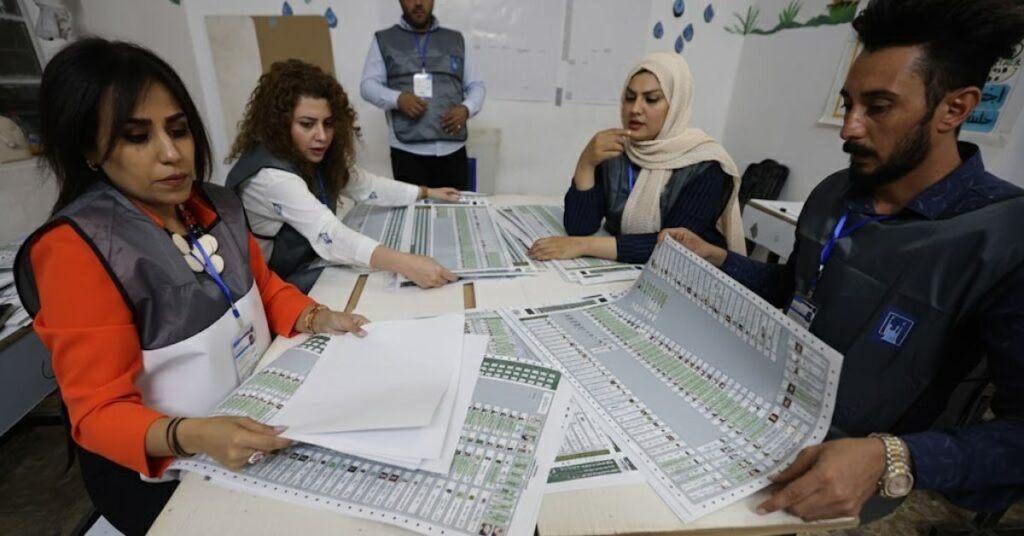
Major Victory In the aftermath of Iraq’s turbulent political history, Prime Minister Mohammed Shia’ Al-Sudani has emerged victorious in the general election, clinching what many are calling a “major victory”. This development has placed Iraq on the cusp of a transformative era, as Sudani’s triumph carries significant implications for the country’s political landscape and its people. In this article, we will analyze what this major victory entails, explore its impact on Iraq’s internal and foreign policies, and discuss the hope it brings to citizens tired of years of instability.
| Key Details | What It Means |
|---|---|
| Victory Title | Major Victory for PM Mohammed Shia’ Al-Sudani |
| Election Context | This victory comes after years of political gridlock and protests challenging Iraq’s leadership structure. |
| Public Reaction | Citizens remain cautiously optimistic about what this means for democracy and reconstruction efforts. |
Understanding Sudani’s Big Win – Major Victory
Before delving into the consequences of the election, it is important to understand the scope of Mohammed Shia’ Al-Sudani’s so-called major victory. His coalition not only secured significant parliamentary seats but also managed to unify a divided political environment to some extent—a feat that was thought unachievable given Iraq’s history of sectarianism.
The general election took place amidst increasing dissatisfaction with corruption, lack of basic infrastructure, and an unstable economy. Voter turnout hovered around 40 percent, a testament to growing frustration among Iraq’s younger population. Despite this, Sudani’s coalition managed to carve out a stronghold in both urban and rural regions.
Furthermore, this victory represents more than just electoral success. It signifies a shift in Iraqi politics toward a potentially more stable administration that promises pragmatic solutions, especially for critical issues like poverty, unemployment, and the need for infrastructure reforms.
The Road to Victory: How Did Sudani Secure This Moment?
Sudani’s rise to power wasn’t a fluke—it was a calculated and strategic move that capitalized on political factions, alliances, and public grievances. His success can be broken down into key factors that worked in his favor:
- Capitalizing on Public Discontent: Years of protests against systemic corruption and failing governance created a ripe environment for change. Sudani’s campaign honed in on these grievances by portraying himself as the leader capable of breaking the cycle of dysfunction.
- Appeasement of Internal Factions: Sudani demonstrated political acumen by winning support from major factions in Iraq, from Shiite leaders to Sunni tribal figures and Kurdish authorities. Unlike his predecessors, he avoided alienating key powerplayers, instead positioning himself as a unifier.
- Longevity and Reputation: Having served in various governmental roles over the past two decades, Sudani had built a reputation as an experienced yet approachable politician. This reputation helped reassure many Iraqis that he was a viable alternative to the ruling elite they had grown wary of.
- Smart Campaign Messaging: From creating an image of “stability” to focusing on tangible promises like job creation and security improvement, Sudani appealed to voters across sects and classes. His slogan of “responsible governance” resonated strongly with Iraq’s disillusioned population.
What Does This Major Victory Mean for Iraq Moving Forward?
Sudani’s victory is not just a turning point for his political career—it is also heralding possible movements toward stability in Iraq’s overall future. Below, we take a detailed look at what his triumph could mean for various aspects of Iraq’s political, social, and economic realms.
1. A Step Toward Political Stability
For years, Iraq’s governance system has been marred by factionalism, sectarian violence, and frequent deadlocks. The rise of Sudani signals a potential departure from these issues. His ability to foster compromise and strike accords between previously feuding factions can pave the way for more stable parliamentary sessions and smoother policymaking.

However, skeptics argue that the country’s political fabric is too fragile to sustain long-term calmness. Time will tell whether Sudani will successfully ride the momentum of his major victory or fall victim to the same systemic challenges that plagued his predecessors.
2. Reviving the Economy
Economically, Iraq continues to suffer the consequences of years of war, corruption, and underinvestment in key sectors. Sudani has made strong promises to tackle these challenges head-on, particularly by diversifying away from oil dependence.
His “Economic Revival Plan,” introduced during the campaign, highlights key goals: creating jobs in non-oil sectors, encouraging local entrepreneurship, and attracting foreign investments. If Sudani can deliver even half of these promises, the economic landscape of Iraq could significantly improve.
3. Addressing Corruption
One of the central themes of Sudani’s campaign was fighting corruption—a perennial issue in Iraq. Corruption has not only crippled Iraq’s infrastructure but also eroded public trust in the government. Sudani has vowed to hold corrupt officials accountable, reform the public sector, and increase transparency in how state funds are allocated.
If he follows through on these promises, it would mark a major victory not just for his administration but for the Iraqi people, signalling a brighter future for governance in the country.
4. Strengthening Foreign Relations
Sudani’s victory could also have significant implications for Iraq’s diplomatic position. Straddling a fine line between rival powers such as Iran, the United States, and Turkey, Iraq has long struggled with maintaining neutrality and independence.
Sudani’s rhetoric thus far indicates a focus on balanced foreign policy, where Iraq seeks to act as a stabilizing force in the Middle East rather than simply a proxy for larger powers. This initiative has drawn cautious praise internationally, though it remains to be seen whether Iraq’s geopolitical challenges will truly diminish under his administration.

5. Improved Security
Another key campaign promise was tackling Iraq’s ongoing security issues, ranging from threats posed by the remnants of ISIS to tribal conflicts and anti-government protests. Sudani has pledged to bolster Iraq’s military capabilities and work with international allies to ensure stronger security measures in the country.
While security has improved compared to previous years, Iraq is nowhere near being a safe haven. Therefore, this area of his administration will require urgent and sustained attention.
Major Victory Citizen Reactions: Hope Tinged with Skepticism
While many Iraqis are hopeful about what Sudani’s major victory could mean, a significant portion of the population remains skeptical. Iraqis have seen leaders come and go, each making ambitious promises but delivering little. For Sudani, the challenge will be to translate his victory into tangible changes that genuinely impact people’s lives.
Moreover, young Iraqis, particularly those who were active in recent anti-government protests, have expressed concern about whether Sudani will truly bring systemic reform or simply perpetuate the same entrenched issues. Achieving concrete successes in the first 100 days of his administration will be critical to winning widespread trust.
Comparing Sudani with Past Leaders – Major Victory
| Leader | Key Achievements | Failures |
|---|---|---|
| Nouri Al-Maliki | Strengthened security during initial tenure | Oversaw increasing sectarian tensions |
| Haider Al-Abadi | Defeated ISIS militarily | Failed to address unemployment |
| Mustafa Al-Kadhimi | Promoted transparency initiatives | Couldn’t stabilize factional alliances |
| Mohammed Shia’ Sudani | Promised balanced governance & reforms | Time will tell if his plans materialize |
What sets Sudani apart—at least for now—is his emphasis on unity and moving away from factional interests. However, as several analysts have noted, such optimism has been short-lived for other leaders in Iraq.
FAQs
1. Why is Sudani’s victory considered a “major victory”?
Sudani’s coalition successfully managed to build a solid parliamentary majority in a deeply fragmented political system. His win represents a significant step forward for political unity in a country often wrestling with factionalism and sectarian tensions.
2. What challenges will Sudani face in his tenure?
Sudani will need to tackle issues like rampant corruption, rebuilding infrastructure, diversifying the economy, and improving Iraq’s security and political landscape. These long-standing problems will test his leadership skills extensively.

3. How did Sudani appeal to voters?
Sudani’s ability to connect with the public’s desire for change, coupled with strategic alliances with key political factions, helped him clinch his major victory. His focus on “action over words,” particularly on issues like job creation and anti-corruption measures, resonated with voters looking for hope.
4. What does this major victory mean for Iraq’s international relations?
With Mohammed Shia’ Al-Sudani at the helm, Iraq is expected to pursue a balanced foreign policy. He has emphasized Iraq’s independence and its potential role as a mediator in the region. However, Iraq’s geopolitical challenges remain complex.
5. Could this lead to long-term political stability?
While Sudani’s victory is a promising step, achieving long-term stability in Iraq will depend on his ability to sustain trust among the public, deliver on campaign promises, and manage internal factional disagreements effectively.
The Final Word – Major Victory
Sudani’s major victory is undeniably a turning point for Iraq. With numerous challenges ahead, including corruption, security concerns, and economic diversification, his leadership will profoundly impact the country’s trajectory. For now, Iraqis wait with cautious optimism, hoping that Sudani will be able to deliver more than just promises and truly usher in a new era of stability and growth.